
Shakopee Water Softener and Drinking Water Guide
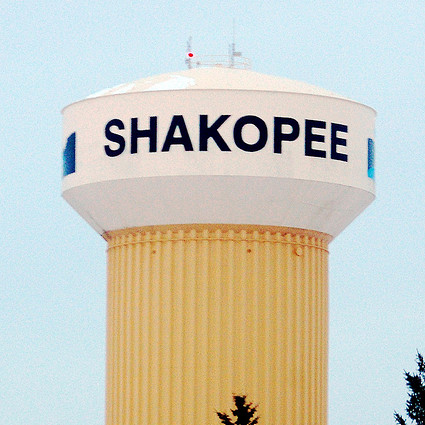
The City of Shakopee frequently tests for Nitrates due to the high average level. Nitrate levels may rise quickly for short periods of time because of rainfall or agricultural activity. Nitrate in drinking water at levels above 10 ppm is a health risk for infants of less than six months of age. If you are caring for an infant, you should ask advice from your health care provider.
- Soft Water
- National Hardness Average
- Shakopee Water Hardness
Shakopee Water Softener Recommendations
The national average for water hardness is 5gpg (grains per gallon). Shakopee water hardness is 24-26gpg, which is over 5x harder than average.
A water softener will protect your water heater, plumbing, and appliances from hard water damage. A high efficiency water softener will offer the same protection, but will use far less water and salt.
Need the Right Water Softener or Filter for Your Home in Shakopee, MN?
Contact us for a FREE water test and site inspection. We’ll get you a FREE quote to help you get the water quality you want.
Shakopee Water Reports
The City of Shakopee does regular water testing and publishes the results in Annual Drinking Water Reports. These reports explain which water contaminants, and what levels have been found.
MCL: Maximum Contaminant Level
The legal limit for a certain contaminant
MCLG: Maximum Contaminant Level GOAL
The level with ZERO HEALTH RISKS, aka the “Health Limit”
All water contaminants meet the EPA’s “Legal Limit”. Contaminants that exceed the EPA’s Health Limit have been highlighted below.
Inorganic Contaminants
Inorganic contaminants include natural and manmade salts and metals. You are mostly exposed to inorganics through drinking water, most do not easily pass through skin. Carbon Filters (refrigerator and faucet filters) have almost ZERO impact on these contaminants. Reverse Osmosis very effective at removing inorganic contaminants.
| Contaminant | Amount Found | Health Limit | Legal Limit | Potential Effects |
|---|---|---|---|---|
| Arsenic | 1.38 | 0 | 10 | Skin damage or problems w/ circulatory systems, increased risk of cancer |
| Barium | 0.24-0.41 | 2 | 2 | Increase in blood pressure |
| Fluoride | 1.1-1.3 | 4 | 4 | Bone disease;children may get mottled teeth |
| Nitrate | 7.0-9.8 | 10 | 10 | Blue-baby syndrome |
Organic Contaminants
Organic contaminants can come from either natural sources like algae, or man-made chemicals. You can be exposed through drinking water, absorption through skin (bathing), and inhalation. This makes a Hybrid Filter System, or Whole House Carbon Filter a good preventative tool.
| Contaminant | Amount Found | Health Limit | Legal Limit | Potential Effects |
|---|---|---|---|---|
| Di(2-ethylhexyl) phthalate | 0.16-0.58 | 0 | 6 | Reproductive difficulties; liver problems; increased risk of cancer |
Disinfectants and Disinfection Byproducts
Disinfectants are added to kill bacteria. Disinfectants like Chlorine react with other chemicals and create “Disinfection Byproducts. These chemicals enter the body through inhalation, absorption through skin, and drinking water. A Whole House Carbon Filter is a good preventative tool in addition to a Drinking Water System for these compounds.
| Contaminant | Amount Found | Health Limit | Legal Limit | Potential Effects |
|---|---|---|---|---|
| Chlorine | 0.41-1.0 | 4 | 4 | Eye/nose irritation; stomach discomfort |
| Chloroform | 3.41-7 | 5.7 | 80 | Nervous system depression, increase in kidney and liver tumors |
| Haloacetic Acids | 2.8-4.4 | 0 | 80 | Increased risk of cancer |
| Total Trihalomethanes | 10.5-20.3 | 0 | 60 | Increased risk of cancer |
Microbial Contaminants
Microbes like bacteria and virus come from a variety of sources. These include water main breaks, leaky septic systems, livestock, and wildlife. Microbial contaminants are mainly consumed through drinking water. Carbon Filters and Water Softeners do not offer any protection against microbes, but UV Treatment is very effective.
| Contaminant | Amount Found | Health Limit | Legal Limit | Potential Effects |
|---|---|---|---|---|
| Total Coliform Bacteria | 1% | 0 | 5 | Not a health threat itself; it is used to indicate whether other potentially harmful bacteria may be present |
*Upon re-testing, 0% Coliform Bacteria was detected.
Radionuclide Contaminants
Radionuclides in water may occur naturally, or come from oil and gas production or mining activities. These can be inhaled, or consumed through drinking water.
| Contaminant | Amount Found | Health Limit | Legal Limit | Potential Effects |
|---|---|---|---|---|
| Alpha Emitter | 3.4-6.7 | 0 | 15.4 | Increased risk of cancer |
| Combined Radium | 1.4-3.8 | 0 | 5 | Increased risk of cancer |
| Radon | 68-231 | 0 | NA | Increased risk of cancer |